Why luck matters: The role of chance in gambling
- admin
- 0
- on Sep 02, 2026
The Nature of Luck in Gambling
Luck is often described as a force that can influence outcomes in unpredictable ways. In the context of gambling, it plays a pivotal role in determining the results of any game or bet. Many gamblers believe that luck is a random variable that can change from one moment to the next. This fluctuating quality makes it apparent that while strategy and skill are essential, they cannot completely eliminate the randomness associated with games of chance, such as slots, roulette, and even card games, including online pokies new zealand which are popular among players.
One of the primary attractions of gambling is the thrill derived from this element of luck. Gamblers are drawn to the possibility of hitting a big win, largely because it can happen when least expected. For example, a player may sit down at a slot machine with minimal expectations, only to strike a jackpot that changes their fortunes. This unpredictability keeps the excitement alive, as each roll of the dice or draw of the cards carries the potential for life-altering outcomes.
Additionally, social and psychological factors contribute to how luck is perceived and experienced in gambling. Gamblers often share stories of miraculous wins, which serve to reinforce the belief that luck can indeed be on one’s side. This narrative plays into the mindset of players, often motivating them to continue playing despite losses, all in the hope of striking it lucky on the next attempt. The very essence of anticipation in gambling is intrinsically connected to this elusive concept of luck.
The Influence of Chance on Gambling Outcomes
Chance is an inherent aspect of gambling that underscores the randomness of game outcomes. No matter how much skill or experience a gambler may possess, the element of chance can sway results in unforeseeable directions. For instance, in poker, while skill plays a significant role in decision-making and strategy, the cards dealt are entirely based on chance. This blend of probability and unpredictability adds a captivating layer to gambling, making players constantly confront the unknown.
The presence of chance also leads to the development of various strategies among players. While some believe in strategies based on trends or patterns, the reality remains that each game round is an independent event. As such, players may find themselves relying on betting systems or assessing their “luck streaks,” unaware that the outcomes remain largely unaffected by previous plays. This misperception can lead to significant financial consequences when players become overly reliant on their belief in their own luck or the patterns they think they detect.
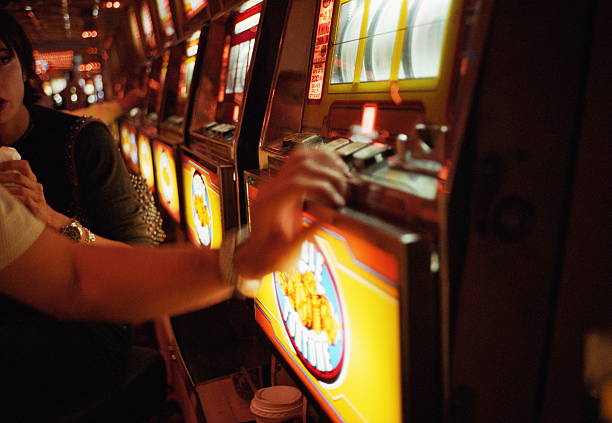
Moreover, the influence of chance extends to casino design and game mechanics, where the odds are carefully calculated to maintain a house advantage. Understanding these odds allows players to make informed decisions, but chance will always be a formidable force. Whether a player walks away with winnings or losses often hinges on factors beyond their control, emphasizing the unpredictable nature of gambling as a whole.
The Psychological Aspects of Luck and Gambling
The psychological impact of luck in gambling cannot be understated. Many individuals approach gambling with a belief in luck that shapes their experiences and decisions. This belief often leads to phenomena such as ‘gamblers’ fallacy,’ where players wrongly assume that a losing streak must be followed by a win. Such thought patterns illustrate how deeply intertwined the concept of luck is within the gambling experience, often influencing players’ behaviors in ways that can lead to poor decision-making.
Furthermore, the thrill associated with luck can trigger strong emotional responses. Winning evokes feelings of elation and satisfaction, while losing can result in frustration and disappointment. These emotional highs and lows create a rollercoaster experience that keeps players returning for more. This compulsion can lead to habitual gambling, where the desire to recapture the feeling of a past win outweighs the financial risks involved. Understanding this psychological element is crucial for both players and those in the industry, as it impacts responsible gambling practices.
Additionally, the role of self-fulfilling prophecies plays into the psychological aspect of luck. Gamblers often develop superstitions and rituals that they believe can influence their luck. From lucky charms to specific seating arrangements at a table, these behaviors can boost confidence, albeit without any scientific backing. The combination of belief in luck and ritualistic behaviors forms a unique psychological landscape that makes gambling an intriguing blend of chance, expectation, and emotional investment.
The Importance of Responsible Gambling in the Face of Luck
Given the unpredictable nature of luck in gambling, promoting responsible gaming practices is essential. Players need to be aware that while luck can favor them occasionally, it is not a reliable or sustainable strategy for winning. Establishing limits on time and money spent can help mitigate the risks associated with chasing losses or hoping for a big win that may never materialize. The knowledge that chance plays a significant role in gambling can encourage players to remain within their boundaries.
Moreover, responsible gambling focuses on maintaining a healthy relationship with gaming activities. Recognizing that gambling should be a form of entertainment rather than a means to gain fortune can help regulate expectations. This mindset allows players to enjoy the thrill of chance without succumbing to detrimental behaviors often associated with problem gambling. It is vital for both players and establishments to create an environment where responsible practices are encouraged and supported.
Education about the odds and the function of luck in gambling also plays a critical role in fostering responsible gambling habits. Players who understand the concepts of probability and randomness are less likely to fall victim to myths surrounding luck. Such knowledge empowers individuals to make informed choices and encourages a more strategic approach to gambling. By promoting education and awareness, the gambling environment can become one that respects both the excitement of chance and the necessity of responsible behavior.
Conclusion: Navigating Luck in the Gambling World
In summary, luck and chance are inseparable elements that define the gambling experience. Understanding their role not only enriches the player’s knowledge but also emphasizes the significance of maintaining a responsible approach to gambling. As players navigate the unpredictable nature of chance, the awareness of inherent risks highlights the importance of enjoying gambling as a form of entertainment rather than solely a financial endeavor.
As individuals engage in gambling activities, maintaining a balanced perspective on luck and chance can lead to healthier gaming habits. The intersection of skill, strategy, and luck offers a fascinating insight into the gambling world, making it essential to embrace both the excitement and the inherent unpredictability that comes with it. By doing so, players can enjoy the thrill of the game while safeguarding their financial and emotional well-being.
Ultimately, whether one is drawn to the allure of a casino or an online platform, the dynamic role of luck serves as a reminder that gambling should be seen through the lens of enjoyment, knowledge, and responsibility. As players continue to engage with games of chance, fostering an understanding of these principles can lead to a more rewarding and less risky gaming experience.